Can sticky foods increase choking risk in dysphagia?
Learn why sticky or pasty foods may need caution in dysphagia, which signs to observe, and when to seek professional guidance.
Read articleDry foods, mixed consistencies, bread, eggs, rice, beans, fruits, and soups with pieces.
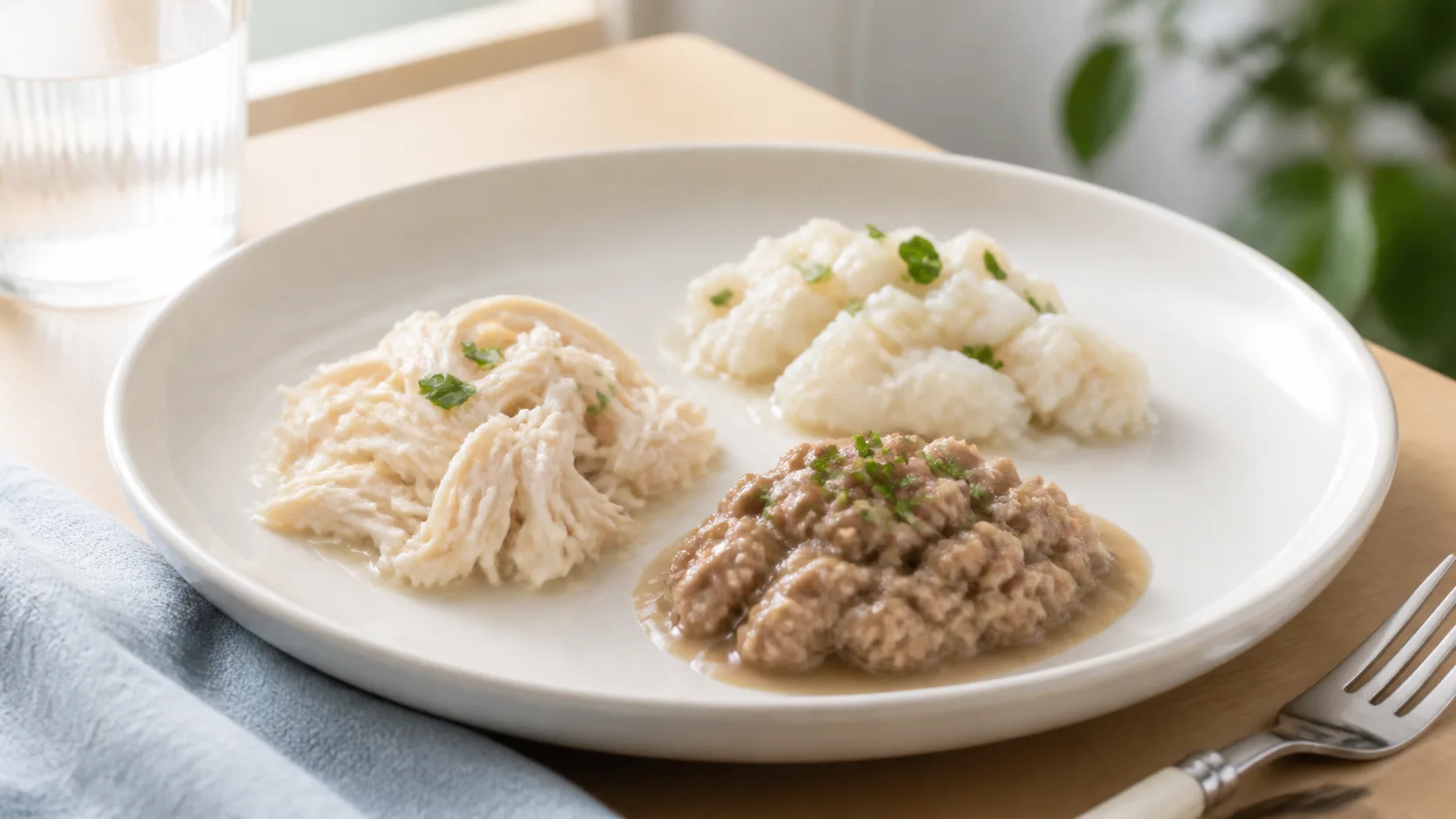
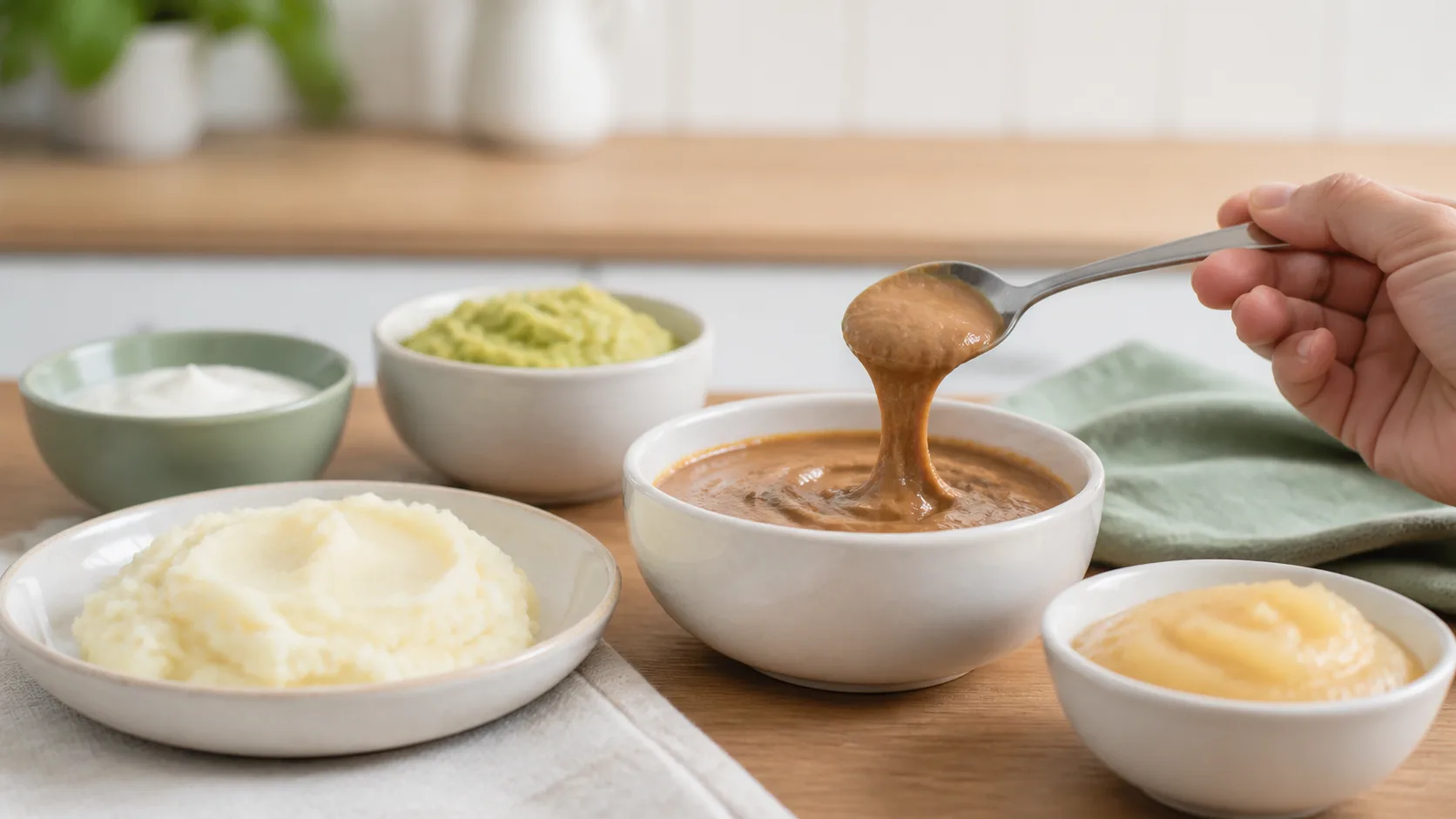
This page groups articles with a shared search intent. It helps you understand the theme before opening a specific article and keeps educational guidance separate from individual clinical decisions.
Predominant intent: Understand texture and risk.
Learn why sticky or pasty foods may need caution in dysphagia, which signs to observe, and when to seek professional guidance.
Read article

Learn why meat may need adaptation in dysphagia, which textures deserve caution, and what signs to observe during meals.
Read article
Learn why dry, crumbly, or sticky bread can be difficult in dysphagia, which signs to observe, and when to seek guidance.
Read article
Learn when scrambled eggs may be easier or harder in dysphagia, which textures need caution, and what signs to watch for.
Read article
Learn how rice and beans may be adapted for dysphagia, with attention to texture, moisture, and choking signs.
Read article
Learn how banana, papaya, and avocado may be adapted, which textures to observe, and when soft fruits still need assessment.
Read article
Understand why very juicy fruits may increase choking risk in dysphagia and what caregivers should observe.
Read article
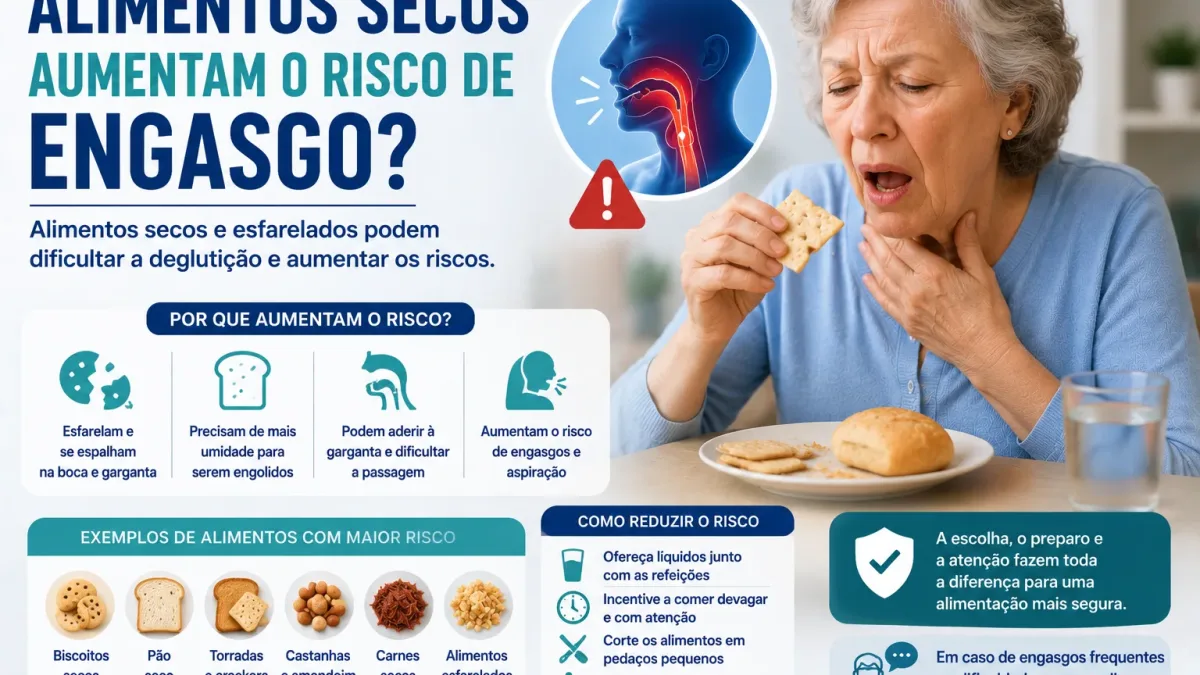
Understand why dry foods may increase choking risk, how to identify unsafe textures, and when to seek professional advice.
Read article
Learn why mixed-consistency foods may increase choking risk in dysphagia and what signs deserve professional assessment.
Read article
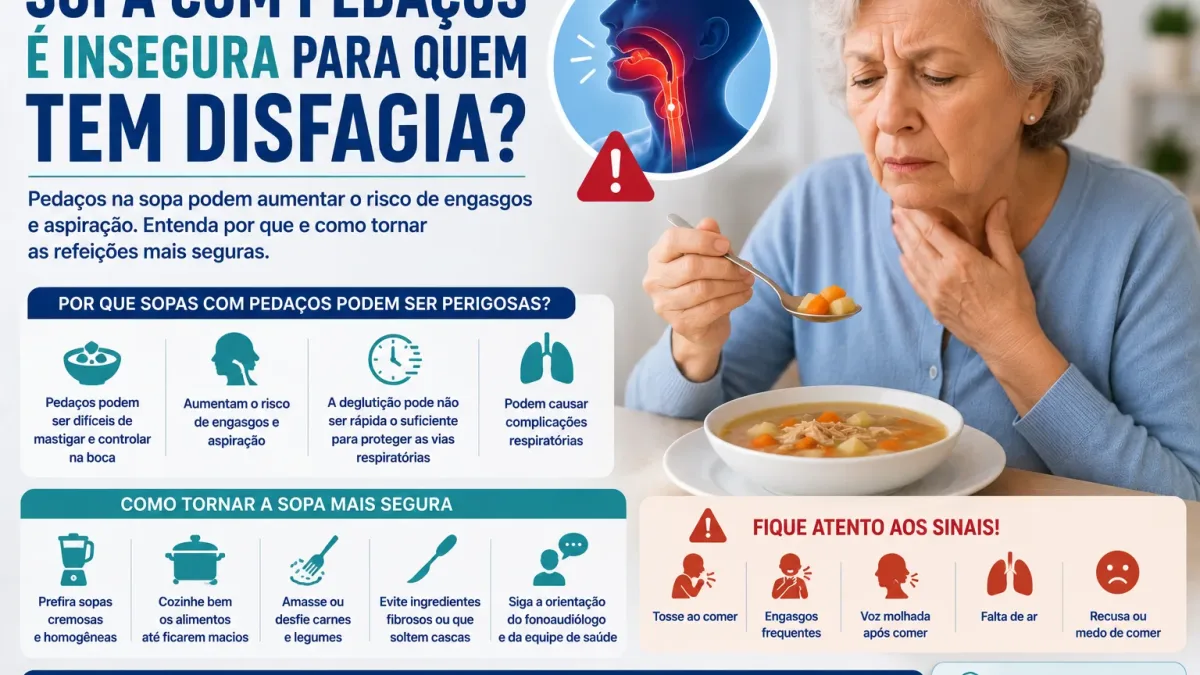
Learn why soup with broth and pieces may increase choking in dysphagia, which signs to observe, and when texture adaptation needs guidance.
Read article